






Select Sidearea

Populate the sidearea with useful widgets. It’s simple to add images, categories, latest post, social media icon links, tag clouds, and more.

hello@youremail.com
+1234567890
 

Blog Standard

Lorem ipsum dolor sit

Africa must shift from managing aid and debt to designing diversified capital structures that anchor growth in domestic finance and genuine risk-sharing   For decades, the story of development in Africa has been told through the language of aid, concessional windows, and debt sustainability. Conversations in multilateral corridors still revolve around fiscal space, restructuring frameworks, and the next liquidity injection. Yet the framing itself reveals the problem.   If...

Read More

Rather than abandoning hydrocarbons, Gulf economies are building a layered export model that combines LNG, hydrogen, ammonia, clean electricity, and carbon solutions to shape the future architecture of global energy trade For half a century, the Gulf’s geopolitical influence travelled in tankers of crude oil; today, it is beginning to move in cargoes of liquefied gas, molecules of hydrogen, clean-energy carriers, carbon management solutions, and electrons...

Read More

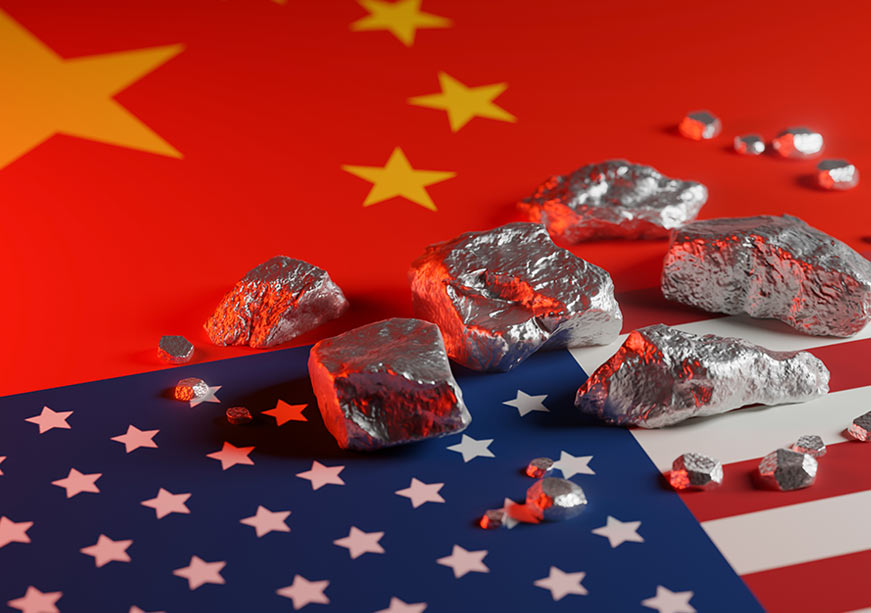
REEs have become a central arena of US–China strategic rivalry, with China’s dominance across the full production cycle giving it powerful economic and military leverage against the US     The strategic importance of rare earth elements (REE) stems from their key role in the green transition and the deployment of renewable energy technologies. Thorium, which is extracted from REE ores, promises to replace uranium in the future...

Read More

To navigate the dynamic international order, Asia will have to balance principles and pragmatism — until it no longer has to   C Raja Mohan’s recent piece in Foreign Affairs titled “The Multipolar Delusion and the Unilateral Temptation” underscores a central reality: polarity in the international order remains contested. This period of interregnum continues to make geopolitical flux its central feature. So, if anything, state actors will continue...

Read More