Select Sidearea

Populate the sidearea with useful widgets. It’s simple to add images, categories, latest post, social media icon links, tag clouds, and more.

hello@youremail.com
+1234567890

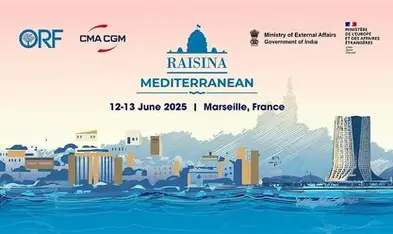
Jun 12, 2025 – Jun 13, 2025

For centuries, the shores of the Mediterranean have hosted cultural exchange, trade, and diplomacy; the sea has served as a vital link between continents and civilisations. By connecting the Indo-Pacific and the Atlantic Oceans, the Mediterranean has has acted as a critical link between East and West, North and South — and determined thereby the flow of goods, ideas, and culture. Today, as the global economic order undergoes profound transformation, the region is once again emerging as a strategic maritime hub.

This comes at a time of strategic convergence between Europe and the Indo-Pacific, highlighted by Prime Minister Modi’s successful visit to Paris and the recent visit to India by the President of the European Commission and the entire EU College of Commissioners. From de-risking supply chains, to investing in critical defence technologies, to negotiating a new trade pact – the EU-India relationship has the potential to emerge as a system-defining defining partnership.

As envisioned by the President of the French Republic and the Prime Minister of India, Raisina Mediterranean will convene the conversations that matter to this region, and describe how its links to India and the Indo-Pacific will shape our common future. From modern shipping corridors and undersea cables to renewable energy projects and regional security cooperation, the Mediterranean is no longer just a bridge between the past and present—it is a launchpad for the future.

ORF, in collaboration with France’s Ministry of Foreign Affairs and key regional partners, seeks to chart a new course for Mediterranean cooperation. By addressing shared challenges and capitalising on emerging opportunities, Raisina Mediterranean aims to lay the foundation for a resilient, interconnected Mediterranean community capable of driving global conversations on governance, sustainability, and shared prosperity.
Thematic Pillars

The Mediterranean as Crossroads: Partnerships, Prospects and Prosperity

At a turbulent moment for global trade and for historic partnerships, the choices made by the powers of the Mediterranean will determine our shared prosperity. As the Indo-Pacific’s influence in the global economy expands and new growth centres emerge across the African continent, the Mediterranean’s role as a bridge between the Global South and North has gained even more importance. This thematic pillar explores the partnerships that will define the Mediterranean in the 21st century— whether in trade and infrastructure, in maritime cooperation, or in energy. It will examine, in particular, the convergence in interests between India and France, between the Indo-Pacific and the European Union, and how ambitious plans for connectivity, trade and investment can elevate these partnerships.
The post-War order, which stabilised trade and galvanised investment, can no longer be taken for granted. Great power competition has forced difficult choices on nations, and those who underwrote collective security have registered their unwillingness to bear that burden indefinitely. Europe faces war in its east, conflict in West Asia, and turbulence in the Sahel. This thematic pillar examines how Europe will emerge as a strategic actor in the coming decade, and the implications of such an emergence for its partners, especially in the Indo-Pacific. It will also consider the evolving security postures of the powers of the region, especially France — which is both a European and and Indo-Pacific power — and how partnerships are needed for competitiveness in defence technology and to protect against geo-economic coercion. 

The shared waters of the Mediterranean can become the location of a shared agenda for prosperity, sustainability, and resilience. Energy initiatives such as offshore wind farms and solar corridors highlight the region’s leadership on climate action; its crowded sea lanes reveal the continuing importance of trade; its coastal communities demonstrate the value of investing in the blue economy.  The nations of the region can demonstrate how clean energy can be scaled up, the digital economy can transform lives, and how maritime operations and logistics can be modernised — all while retaining momentum on climate action and biodiversity protection. The region’s rich natural resources and biodiversity demand effective governance of the global commons through collaborative action. The resilience of the Mediterranean is also intertwined with growth and prosperity in West Asia and Sub-Saharan Africa, and so financing mechanisms and frameworks for the Sustainable Developmental Goals (SDGs) must be prioritised.  This thematic pillar discusses the Mediterranean’s central role in shaping the global blue economy, and the potential pathways to unlock further growth and resilience in the region.

Growth in both the Indo-Pacific and in Europe depends upon secure, efficient and resilient connectivity between these two hubs of the global economy. The multiple supply chain and geopolitical shocks over the past few years highlight the importance of investing in de-risking supply chains, building alternative routes and maritime infrastructure, and facilitating digitalisation of shipping procedures. The sea lanes between these regions need to be upgraded and protected, and new infrastructure corridors that can enhance trade and collaboration must be unlocked. Meanwhile, sustainable fuels like hydrogen and ammonia have the potential to revolutionise the industry. This transformation would need investments in port modernisation, green shipping, and sustainable maritime practices, while also addressing disputes and ensuring the security of its sea routes. This thematic pillar will examine now innovations in the Mediterranean and its associated trade corridors. will propel modernisation to shipping and ports globally, and provide a template for 21st century maritime infrastructure.

New technologies are shaking up the world order, fundamentally altering the structure of the global economy, and creating new drivers of growth. Startup hubs across both the Global North and South are at the forefront of this technological innovation—emerging as pivotal nodes in the global economy and reshaping the urban landscapes they inhabit. From Mumbai and Bengaluru to Paris and Marseille, vibrant startup ecosystems are emerging as key incubators of new technologies and business models. These innovation hubs must be connected, so ideas, technology, and capital can flow from one to another and allow them to rapidly build scale. Such collaboration holds the promise of unlocking untapped potential across diverse sectors—including AI, maritime and shipping innovation, clean energy, smart logistics, and the modernization of ports. However, as the world navigates multiple technology transitions, it is also essential to ensure that the Global South is not left on the sidelines and is an active stakeholder. This thematic pillar explores the growing salience of startup across the Global North and the South and the potential pathways to bridge them to unlock further technological and economic growth.


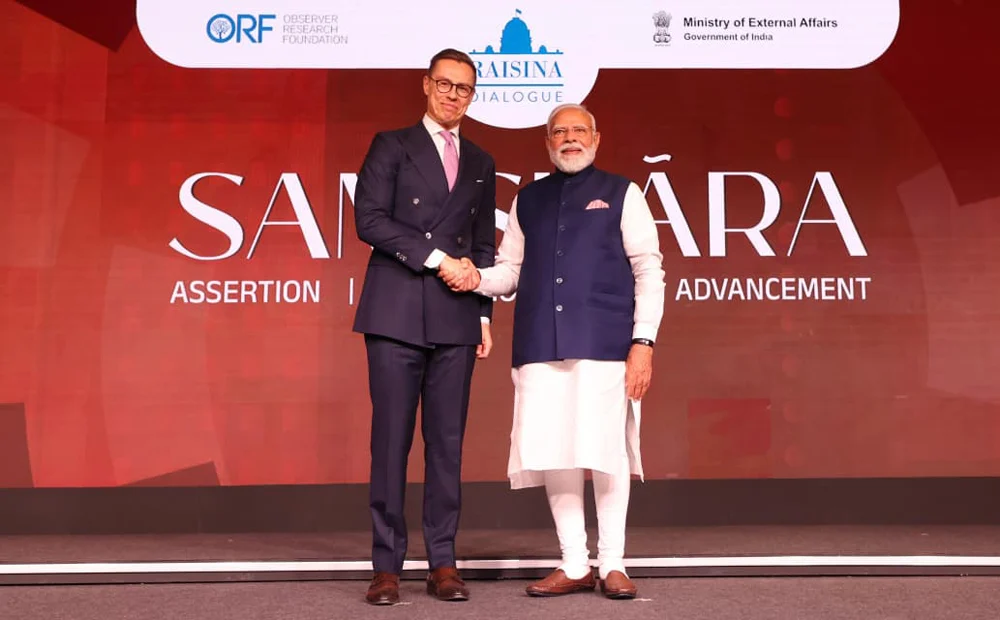
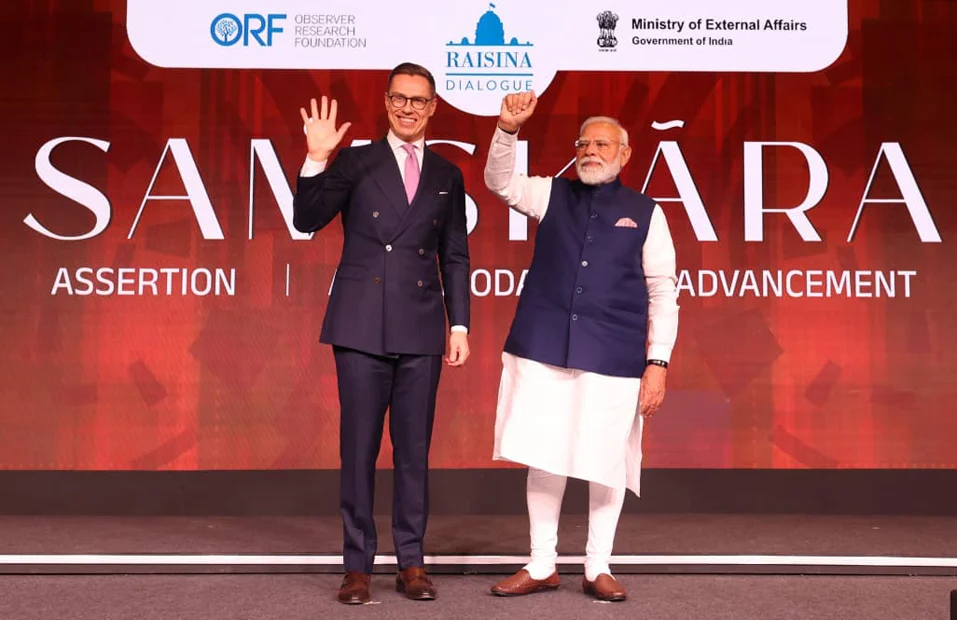
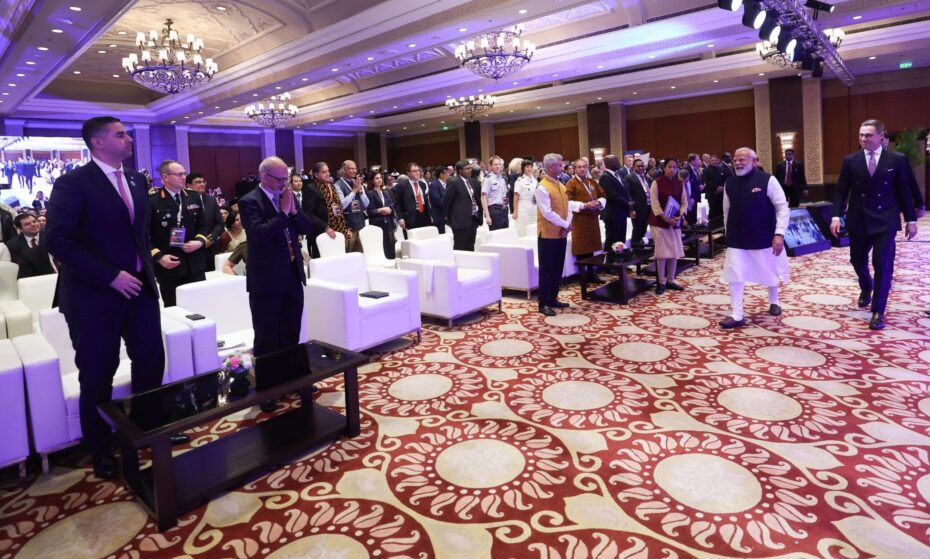
Inauguration

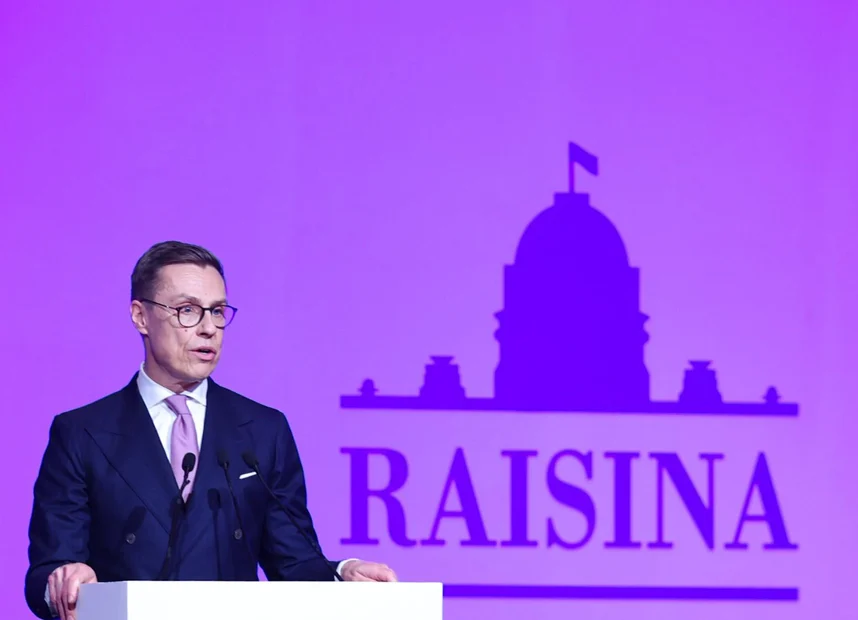
1772530097_modi
Narendra Modi

Prime Minister of India

1772530155_alexander_stubb
Alexander Stubb

President of Finland

Curator

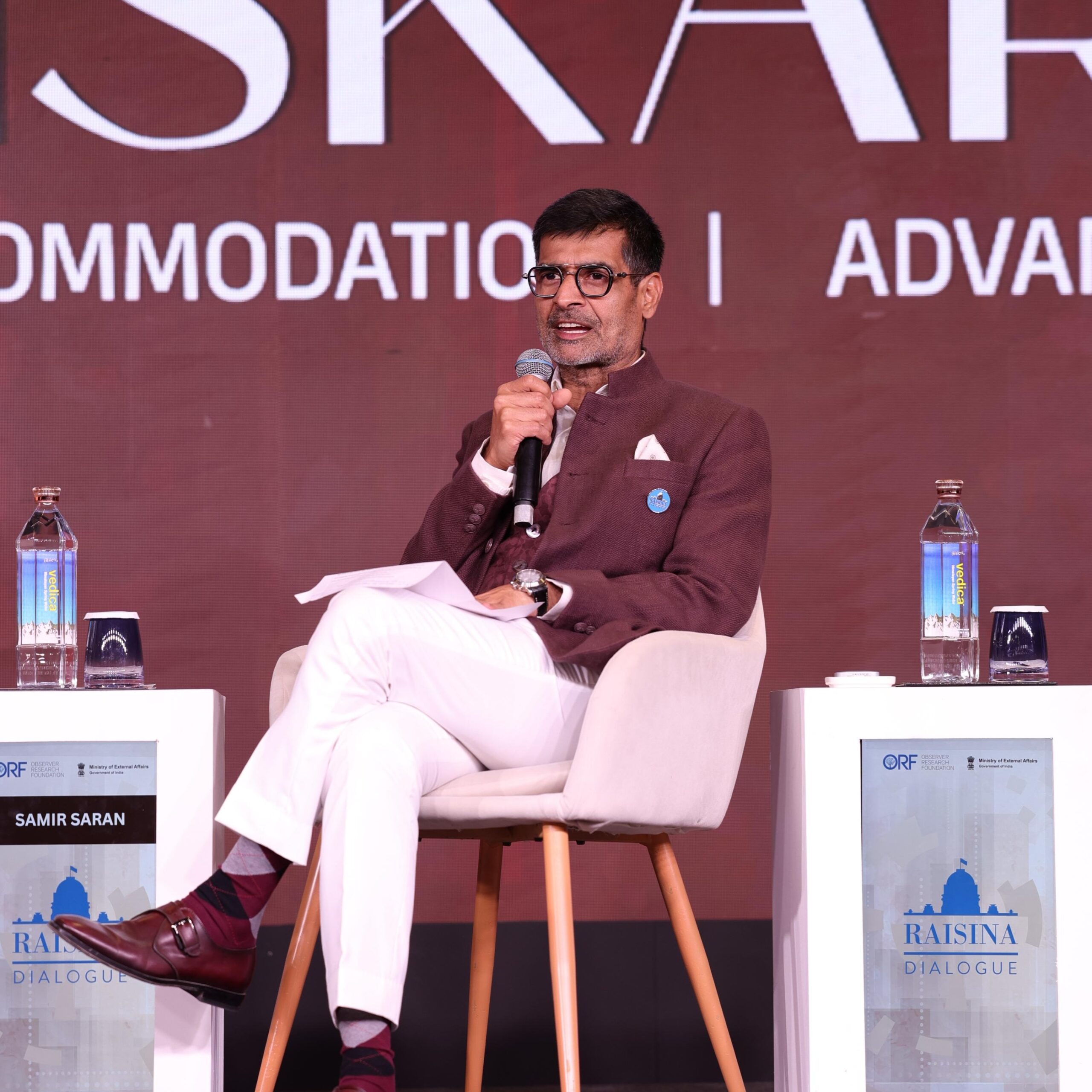
Samir_Saran.jpg
Samir Saran

President, Observer Research Foundation, India

Hosts

Aparna Ray
Aparna Ray

Joint Secretary (Policy Planning & Research), Ministry of External Affairs

Sunjay Joshi
Sunjoy Joshi

Chairman, Observer Research Foundation, India

Harsh Pant
Harsh V. Pant

Vice President, Studies and Foreign Policy, Observer Research Foundation, India

Speakers

Abigaël Vasselier
Abigaël Vasselier

Director, Policy & European Affairs; Head of Program, Foreign Relations, Mercator Institute for China Studies, Germany

Abla Abdel Latif
Abla Abdel Latif

Executive Director and Director of Research, The Egyptian Center for Economic Studies, Egypt

Alexis Morel
Alexis Morel

Vice President, Optronics & Missile Electronics, Thales, France

Angus Blair
Angus Blair

Partner, Outset Ventures, New Zealand

Anne-Marie Brady
Anne-Marie Brady

Professor, University of Canterbury, New Zealand

Anurag Thakur
Anurag Thakur

Member of Parliament, Lok Sabha, India

Arvind Gupta
Arvind Gupta

Head and Co-Founder of Digital India Foundation, India

Asma Mhalla
Asma Mhalla

Political Scientist, France

Partners

Publications

No posts found.

Video Playlist