




Select Sidearea

Populate the sidearea with useful widgets. It’s simple to add images, categories, latest post, social media icon links, tag clouds, and more.

hello@youremail.com
+1234567890

Raisina Dialogue

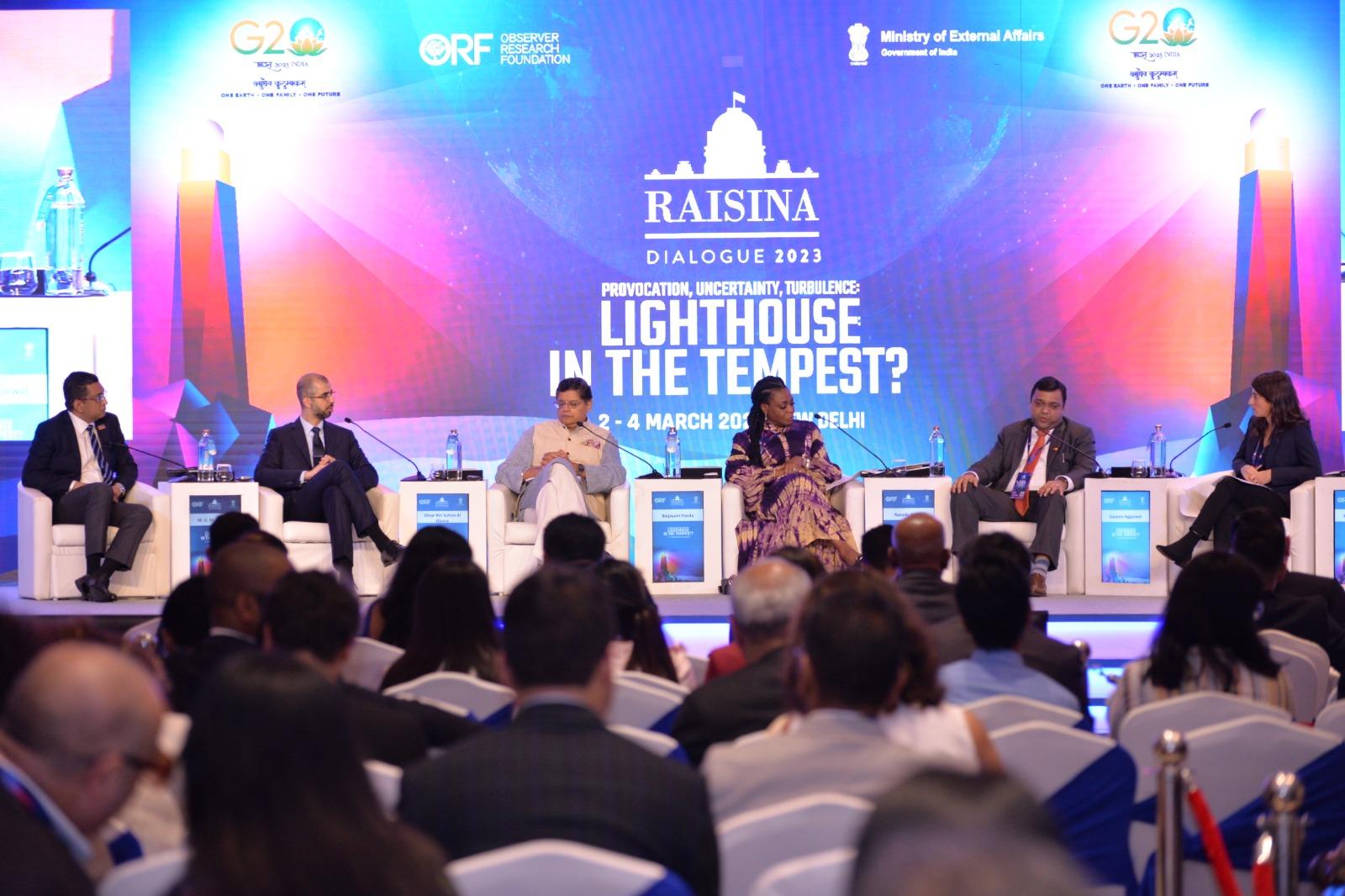
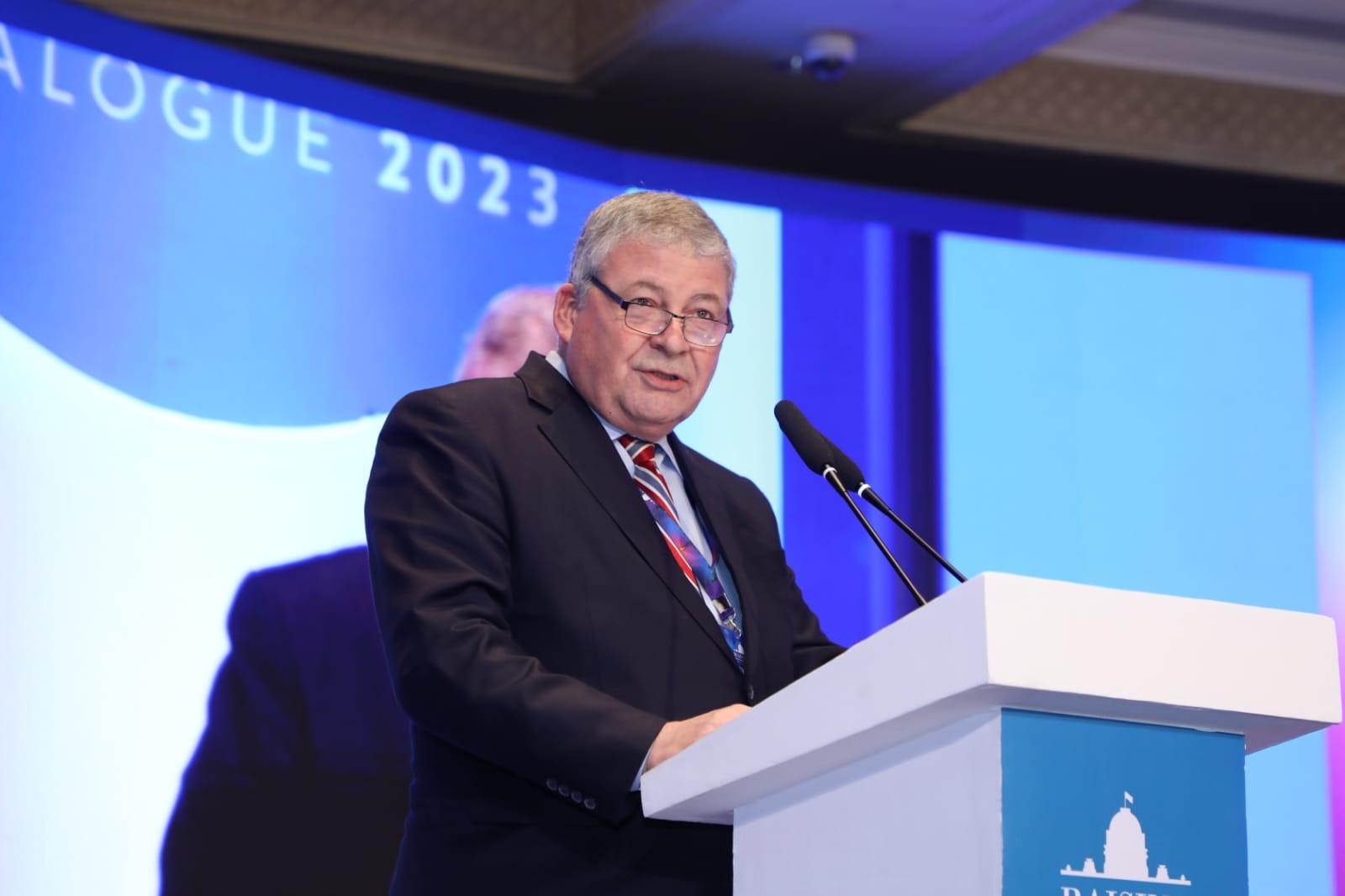
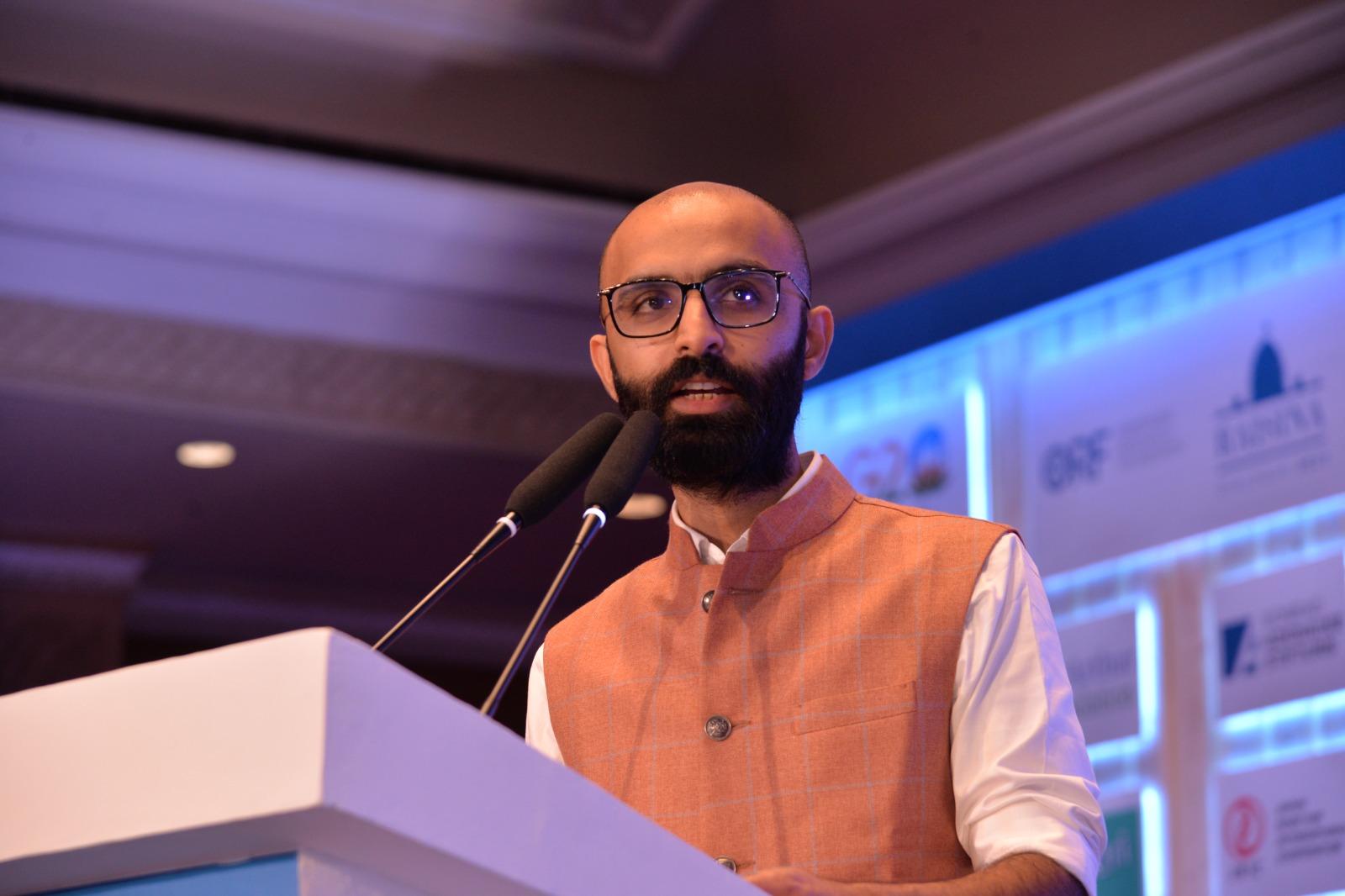
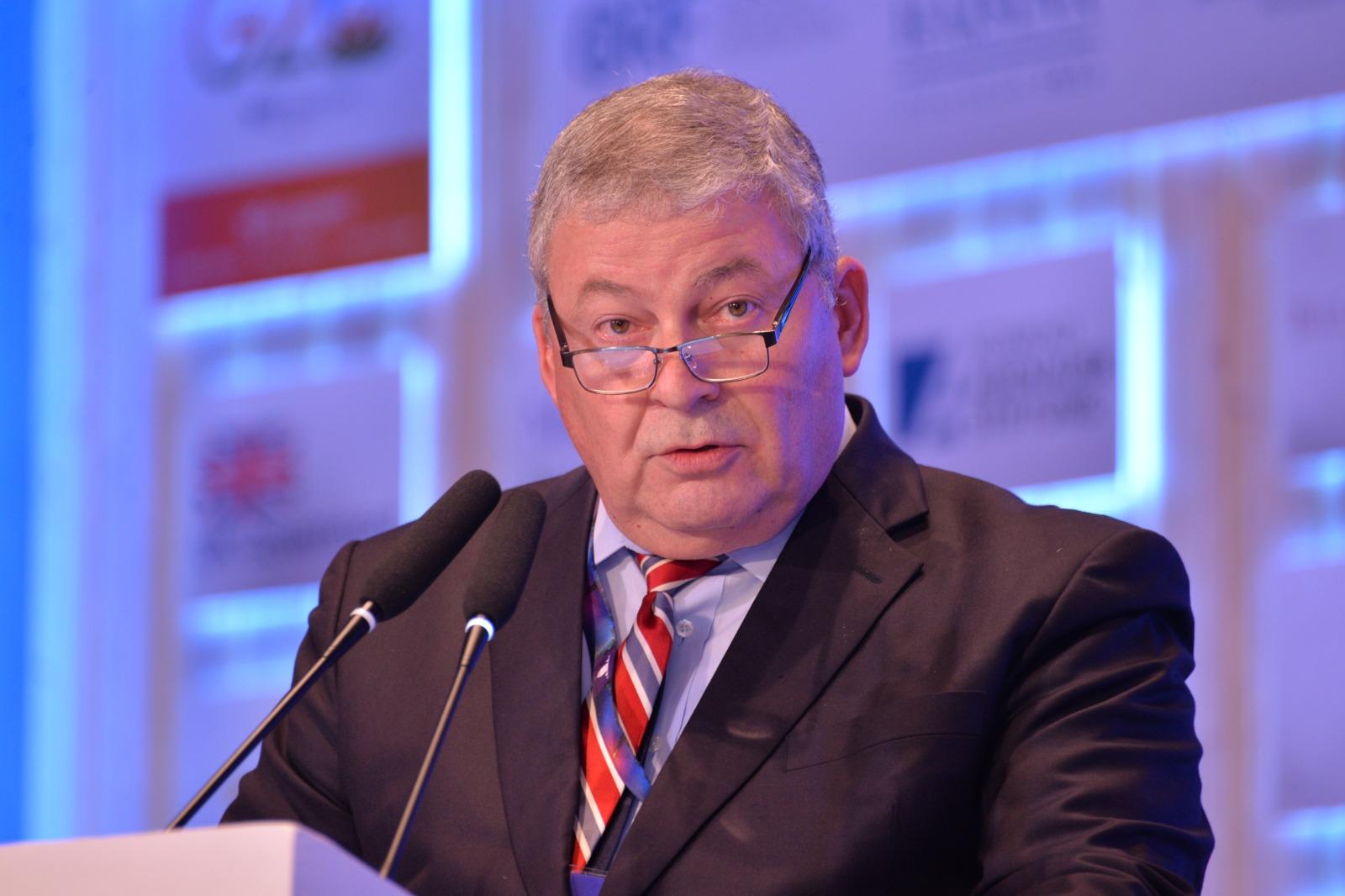
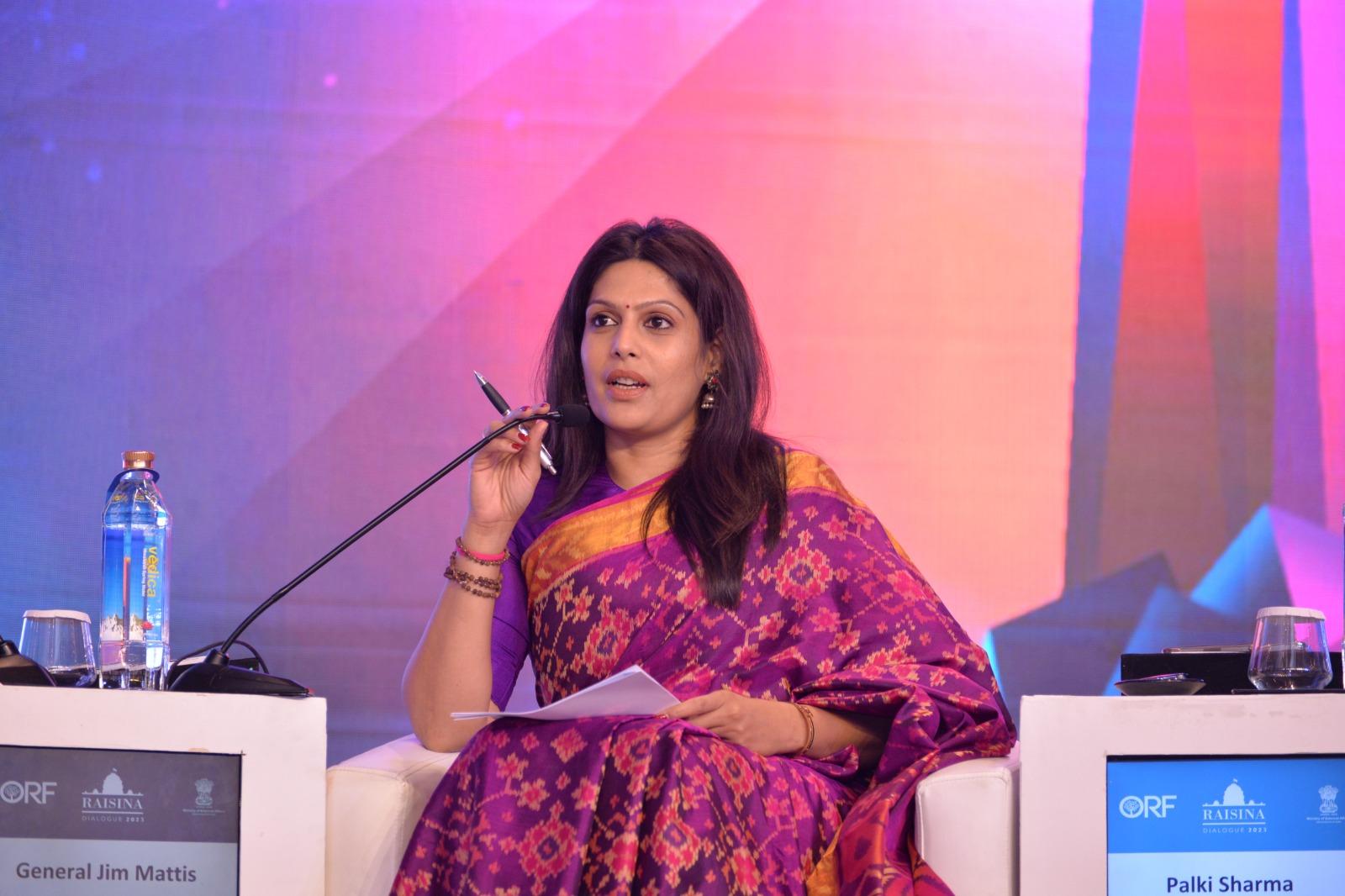
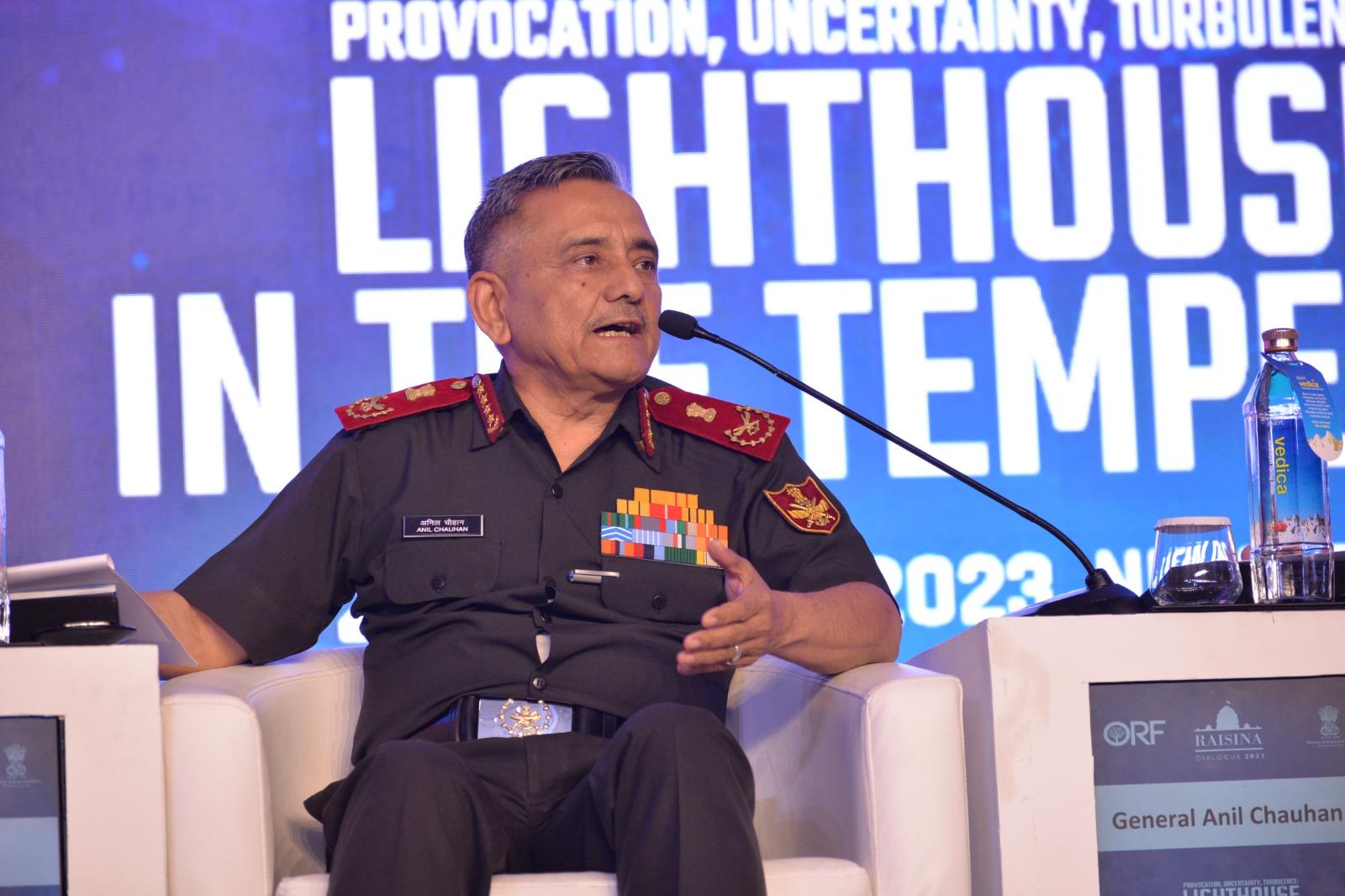
The Raisina Dialogue is India’s premier conference on geopolitics and geoeconomics committed to addressing the most challenging issues facing the global community. Every year, leaders in politics, business, media, and civil society converge in New Delhi to discuss the state of the world and explore opportunities for cooperation on a wide range of contemporary matters. The Dialogue is structured as a multi-stakeholder, cross-sectoral discussion, involving heads of state, cabinet ministers and local government officials, who are joined by thought leaders from the private sector, media and academia.

The conference is hosted by the Observer Research Foundation in partnership with the Ministry of External Affairs, Government of India. This effort is supported by a number of institutions, organisations and individuals, who are committed to the mission of the conference.
Thematic Pillars

Neo Insurgence: Geographies, Domains, Ambitions

Today’s geopolitical reality is the resurrection of old rivalries with a new cast of actors. Contemporary empire-building is being fuelled by worsening uncertainty across global economic and political domains. Populism is being weaponised and new spheres of influence are being carved out by the aggressively ambitious. While attempts are being made to draw revisionist lines on old maps, what will it take to broker peace? Will transborder strife once again destabilise borderless advance? As an interconnected global community, how can we address these inexorable political upheavals?
Limited purpose partnerships and coalitions of convenience define alliance building today. Inter- and intra- regional groupings like the G20, SCO, Quad, I2U2, and AIIB, IPEF are replacing post-Cold War institutions. The backdrop for this is telling: The UN is a talking shop wrapped in anachronism; WTO, the World Bank and the IMF have become prisoners of their own devices, failing to deliver. Amidst tottering and creaky global organisations, can new platforms, which are smaller and nimbler but also decidedly more tactical, add up to an alternative governance architecture to manage the 21st century? For example: Can the G20 devise ways to direct unprecedented global savings to investment deficits in the developing world? Or are regional groupings better placed to do so?
Technology has arrogated to itself a supranational status that disregards sovereign boundaries and individual spaces—all without the responsibility and care nations and states need to take into account in their operations. While exercising its intimidating power, technology believes it is accountable only to its shareholders. As old media rapidly decays, new media is fast emerging as an invisible censor guided by ideology, belying its initial promise of democratising the public square. How should states protect the twin aspirations of access and agency, and also prevent the marginalisation of victims of capricious Tech? Are existing laws adequate? Or is it time to rethink, renavigate, and reimagine how we engage with the digital sphere and devise a global architecture, regulating trans-national corporations? Or do like-minded countries need to create digital clubs to minimise digital harms and catalyse benefits for all?
In its current form, globalisation has done irreversible damage to the global commons. The impact of the climate crisis is pervasive, creating a vicious circle of poverty, exploitation, and inequality. How do we ensure resources are not concentrated in a few countries to the detriment of the many? Can the world invest in the adaptation and resilience of fragile eco-systems and small states? Do we need a new approach that allows for an equitable spread of risks across borders? Can territoriality be made redundant to respond to ‘global bads’ like pandemics, climate change, poverty, and deprivation?
Democratic systems have come under threat from constructed contests and manufactured dependencies. Age-old conflicts over land, water, and energy have leapt over the digital frontier. State and non-state actors have weaponised information. Vanity impositions and white elephant projects have created debt traps, imperilling both national polities and local communities. Will the debate on ‘good democracy’ and ‘bad democracy’ undermine progress? What does this looming battle mean for the ethic of liberal democracy and for their endurance?


Curator

 
Samir-Saran.jpg
Samir Saran

President,Observer Research Foundation

Hosts

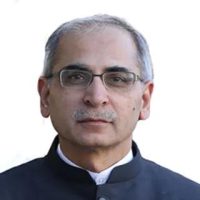
Vikram_Misri
Vikram Misri

Foreign Secretary

Sunjoy_Joshi
Sunjoy Joshi

Chairman,Observer Research Foundation

Raghuram_S.
Raghuram S.

Joint Secretary, Policy Planning & Research Ministry of External Affairs

Harsh_V._Pant
Harsh V. Pant

Vice President, Studies and Foreign Policy Observer Research Foundation

Speakers

N.K._Singh
N. K Singh

Co-Convenor, G20 Independent Expert Group on Strengthening MDBs; President, Institute of Economic Growth; Chairman, 15th Finance Commission, , India

Kirti_Vardhan_Singh
Kirti Vardhan Singh

Minister of State, Ministry of External Affairs , India

Ashwini_Vaishnaw
Ashiwini Vaishnaw

Minister for Electronics and Information Technology, Railways and Information & Broadcasting , India

Piyush_Goyal
Piyush Goyal

Minister of Commerce and Industry,India

Delegates

Rajan_Luthra
Rajan Luthra

Head, Special Projects Chairman’s Office, Reliance Industries , India

Beniamino_Irdi
Beniamino Irdi

Head of Strategic and International Affairs, Deloitte Legal , Italy

Lilia_Rizk
Lilia Rizk

Head Coordinator, The Atlantic Dialogues, Policy Center for the New South , Morocco

Calum_Nicholson
Calum Nicholson

Director of Research, Danube Institute , Hungary

Partners

Publications

No posts were found for provided query parameters.

Video Playlist