




Select Sidearea

Populate the sidearea with useful widgets. It’s simple to add images, categories, latest post, social media icon links, tag clouds, and more.

hello@youremail.com
+1234567890

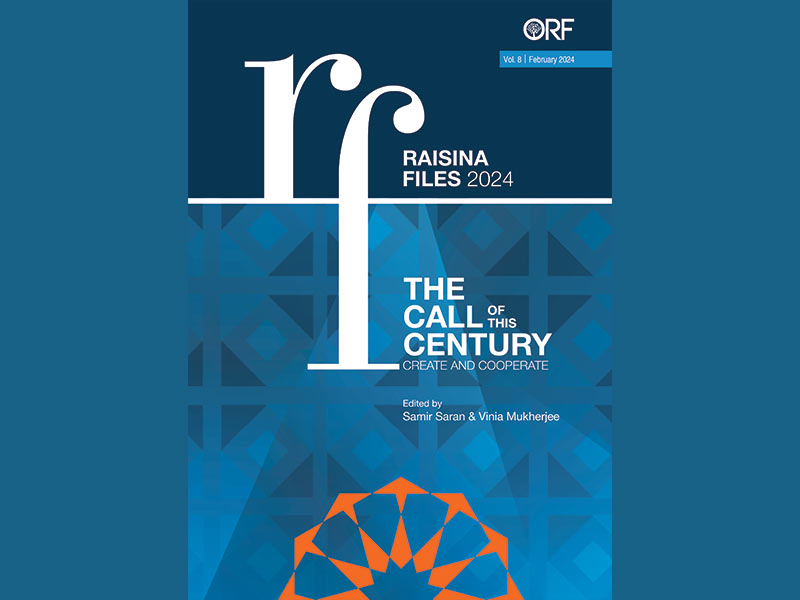
Raisina Dialogue

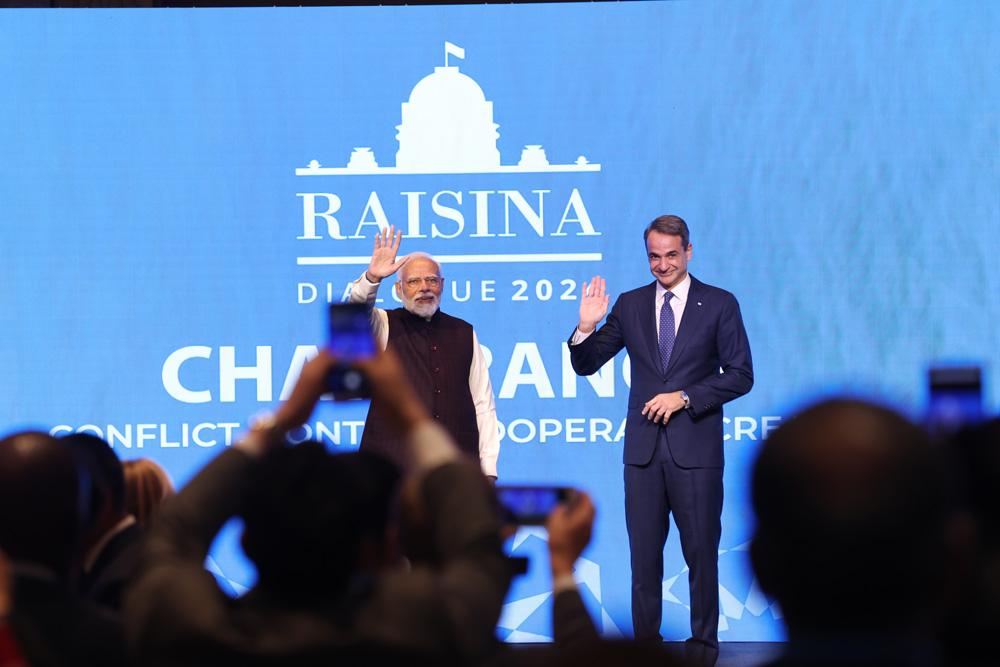
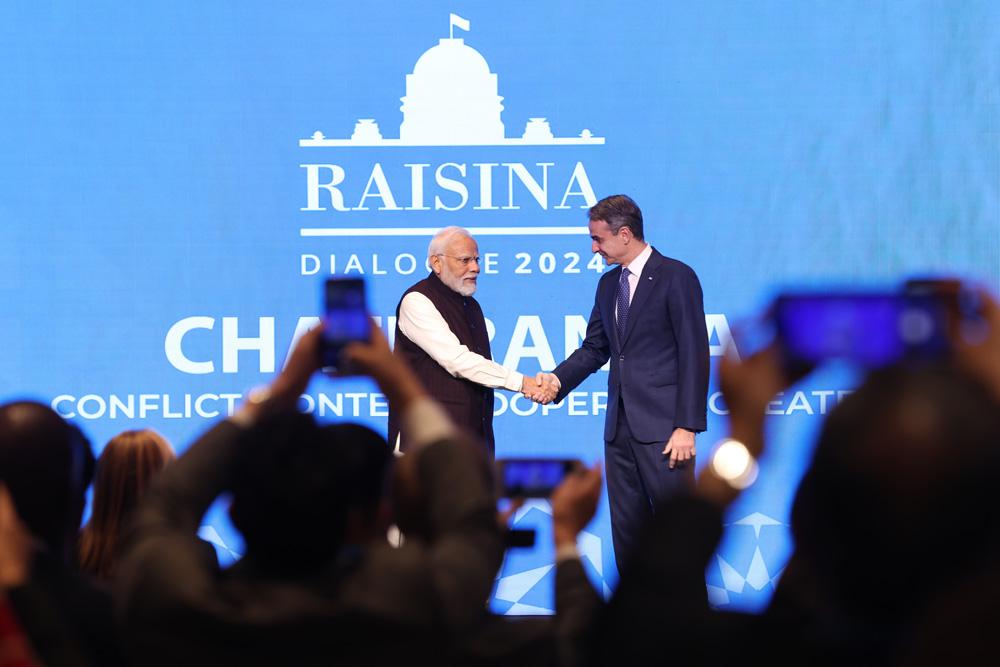
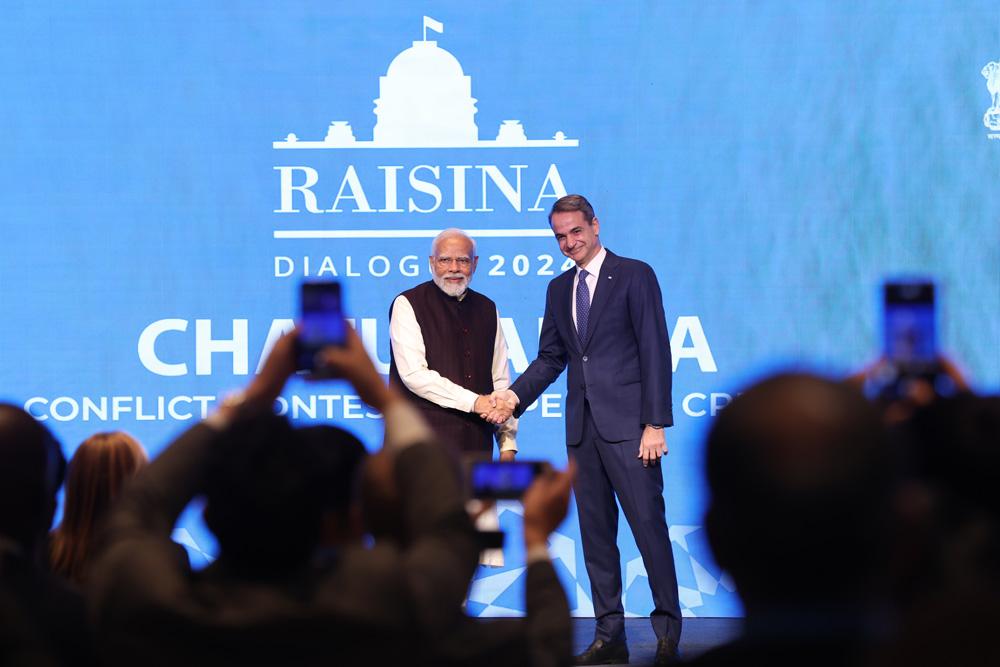
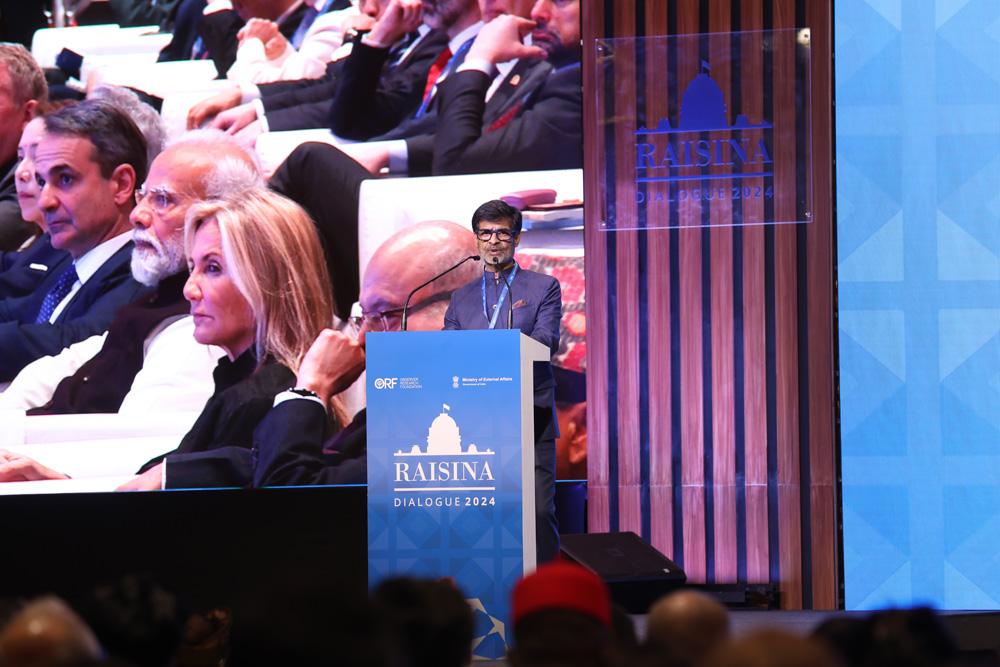
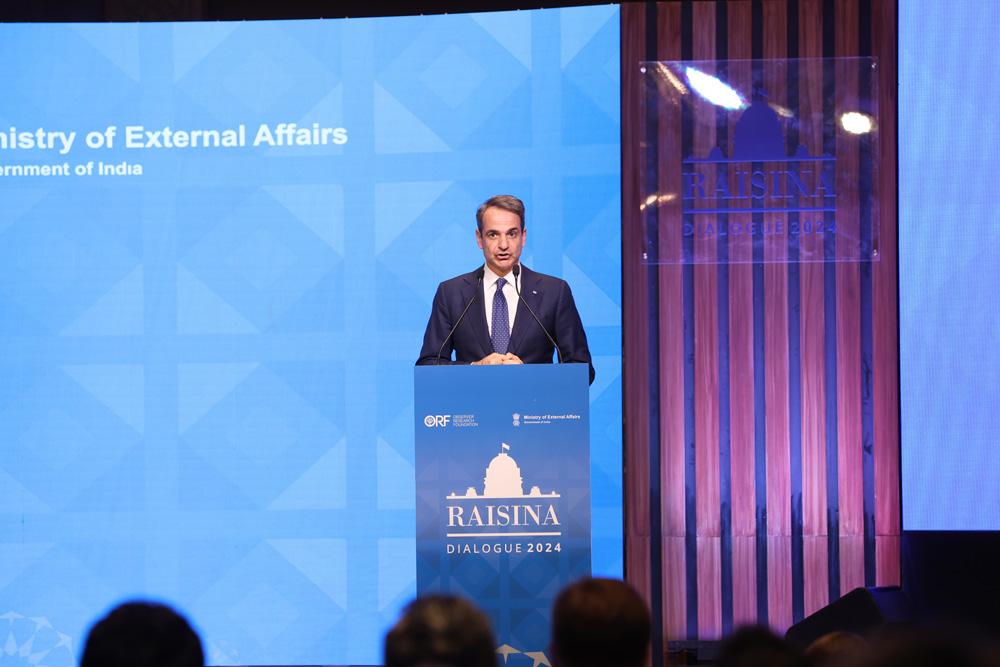
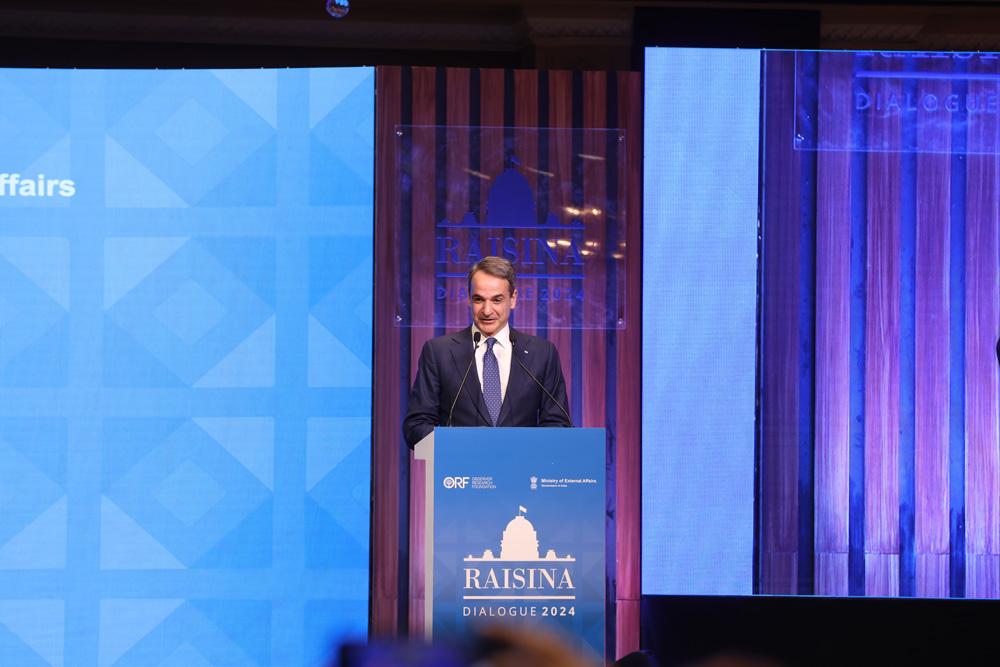
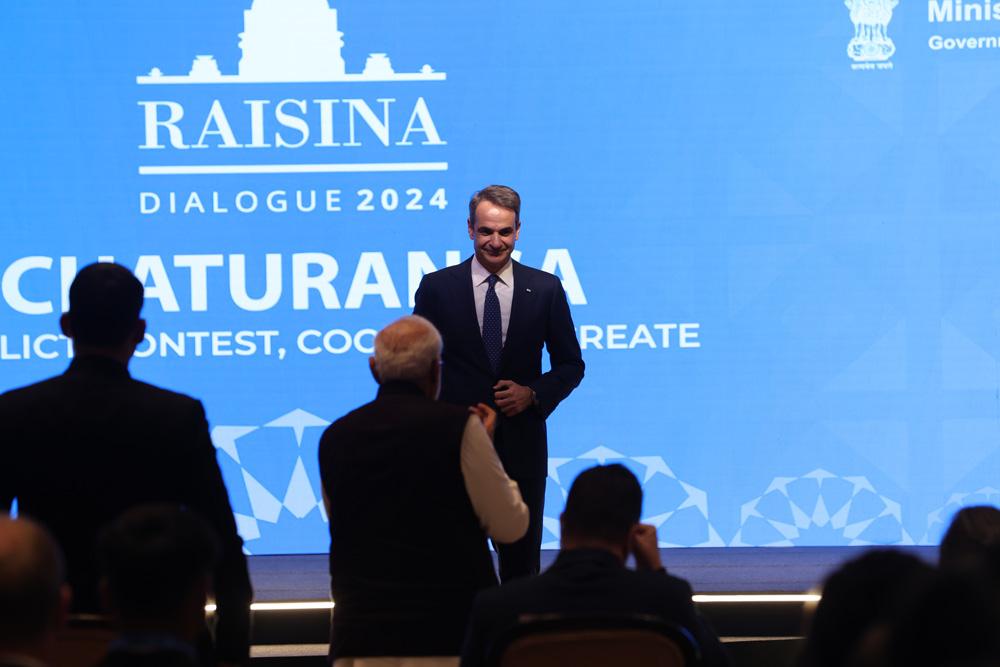
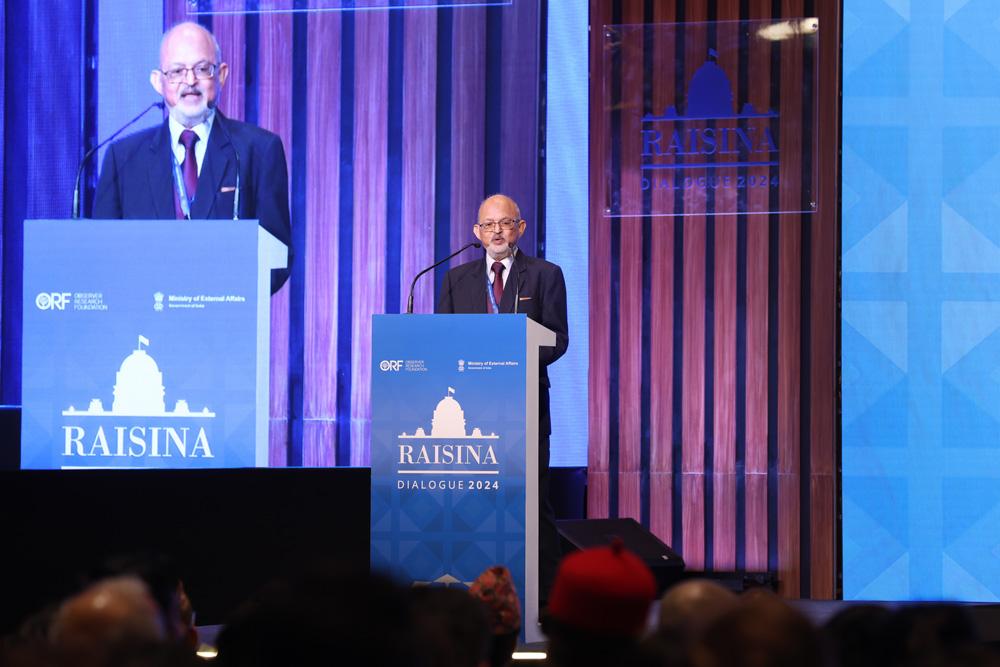
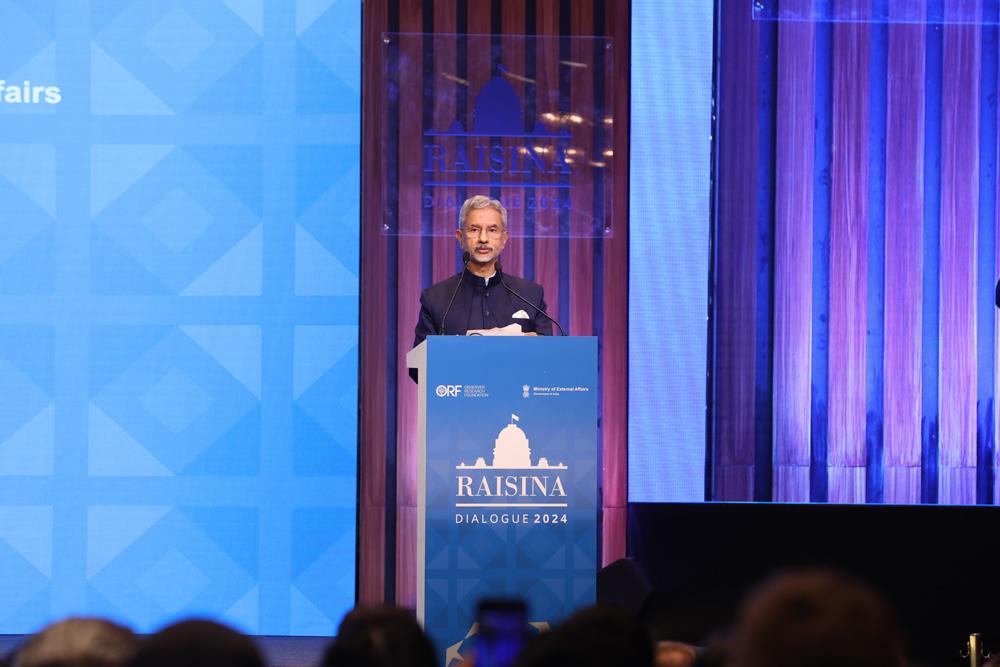
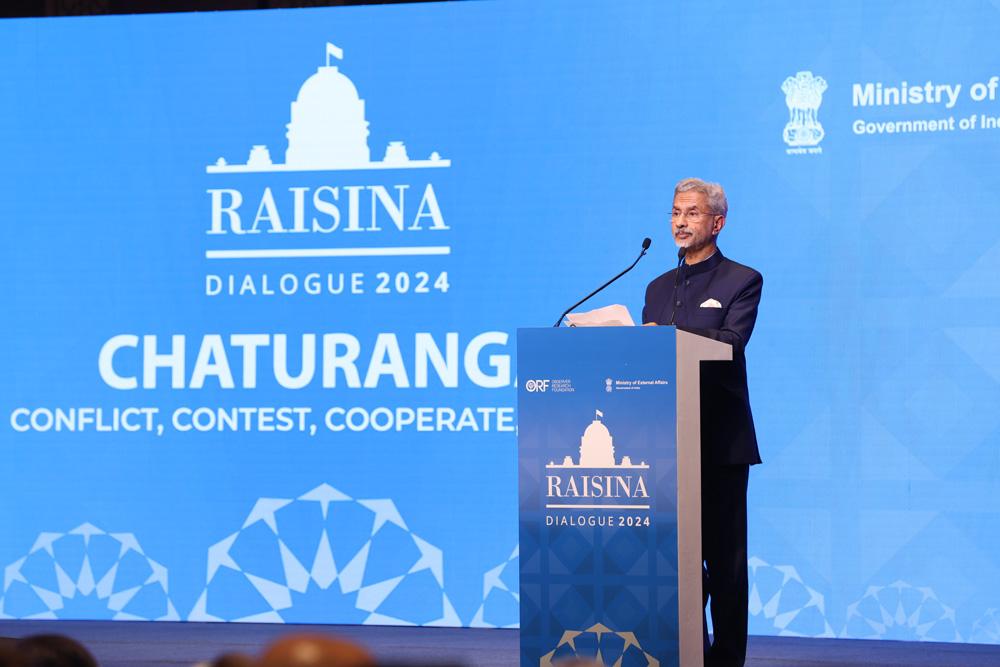
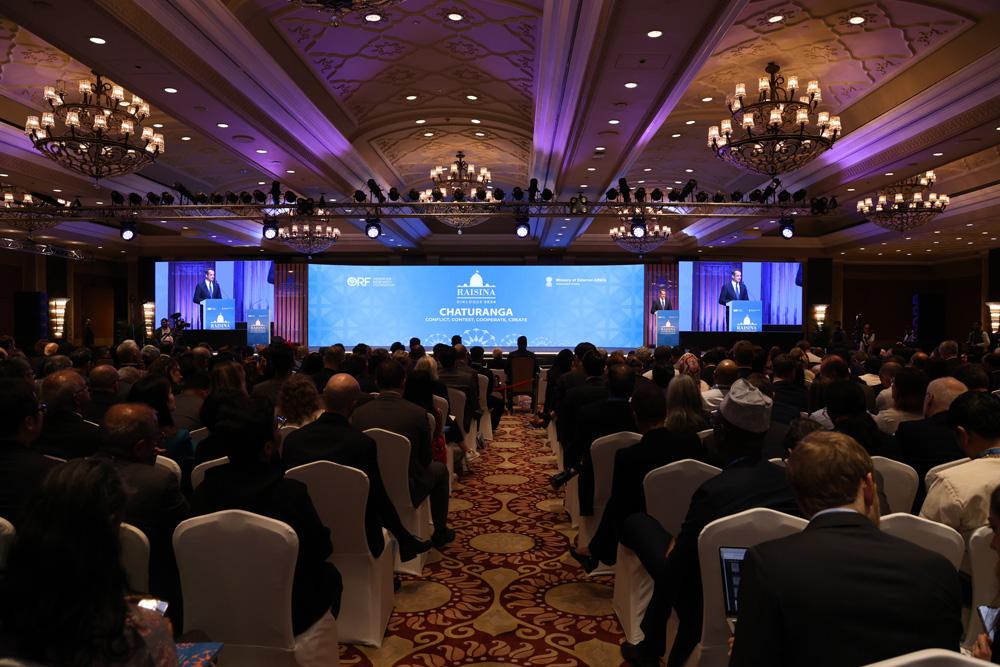
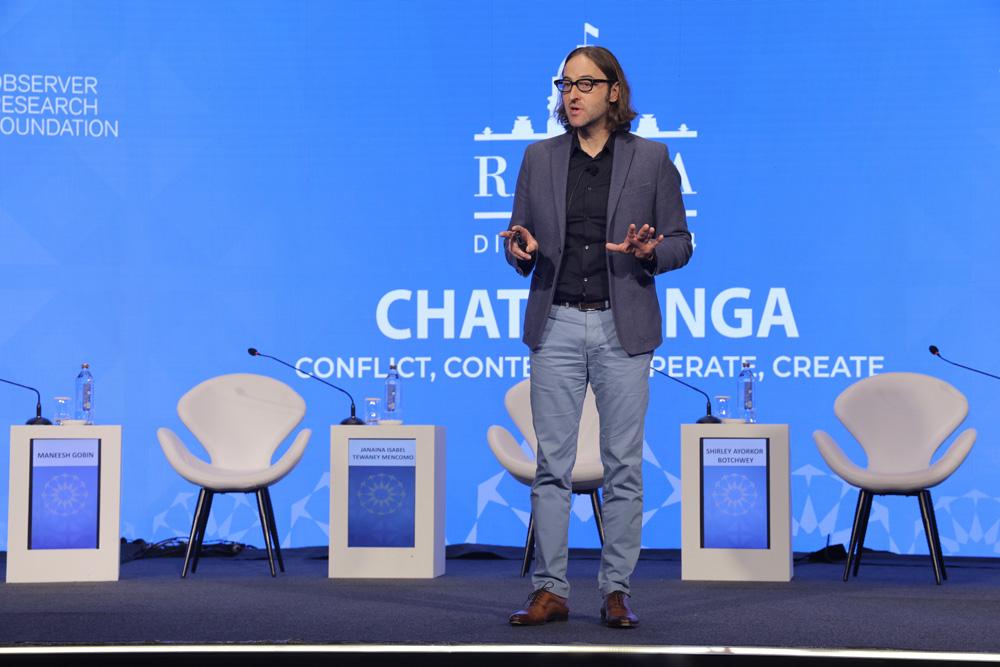
The Raisina Dialogue is India’s premier conference on geopolitics and geoeconomics committed to addressing the most challenging issues facing the global community. Every year, leaders in politics, business, media, and civil society converge in New Delhi to discuss the state of the world and explore opportunities for cooperation on a wide range of contemporary matters. The Dialogue is structured as a multi-stakeholder, cross-sectoral discussion, involving heads of state, cabinet ministers and local government officials, who are joined by thought leaders from the private sector, media and academia.

The conference is hosted by the Observer Research Foundation in partnership with the Ministry of External Affairs, Government of India. This effort is supported by a number of institutions, organisations and individuals, who are committed to the mission of the conference.
Thematic Pillars

Tech Frontiers: Regulations & Realities

The technological revolution is not slowing down; it is expanding its domain of influence as well as its power to change lives and societies. The emergence of usable and affordable Artificial Intelligence (AI) alongside other emerging technologies like quantum computing has sparked new debates, disrupted entire sectors, and even threatened the stability of nation-states. Questions have emerged on the regulation of technology and tech giants and the role of the state and its sovereignty.


How will technology affect political stability? How, in turn, do political structures affect the speed and adoption of innovation? Is the private sector’s influence pushing us towards a digital dystopia? What role will fintech and digital public infrastructure play in advancing development for all?

Countries have pledged to transition their economies and industrial capacities to a net-zero framework within the next decade. Yet political objections to assertive climate action have been growing, especially in the Global North. The Inflation Reduction Act (IRA) in the US may have ushered a new era of protectionism in the emerging green race. Questions of justice have been mainstreamed in the climate transition, but are they being misused to focus subsidies on geographies historically responsible for emissions? As economic security becomes a major focus for policymakers, will such considerations help scale up climate finance or further impede its flow? How can the private sector be made a partner in the decarbonisation effort? What would an energy transition that respects the Global South’s needs look like?


To what degree are protectionist measures unavoidable for countries? What do such steps mean for borders, trade, environment, and labour? How can the environmental impact of international finance be aligned with sustainability, ethical investments, and responsible financial practices?


Developments over the past two years, like the war in Ukraine, terror in the Middle East and the withdrawal from Afghanistan, have upended hopes for a “peace dividend” and shaken the resolve of democratic societies. They have also complicated how we think about deterrence, grand strategy, and defence production. New forms of war and battlefields are emerging, and new centres of power are determining their technological and human capacity for warfare. Is the decades-long thrust on maritime power receding? How will future conflicts be fought? What are the lessons from the new battlefields? How do these lessons impact the balance of power between states and long-term decision-making by security establishments?

Reformed multilateralism is the key to billions of hopes in the Global South and a quest for a world that recognises the aspirations and urges of its forgotten multitudes. The long shadow of the pandemic, an ongoing war in Europe, and instability in West Asia have thrown up new challenges while the rise of the Global South has called into question the very basis of the postcolonial order. 


As new multilateral frameworks emerge, can they be both useful and inclusive? How is this assertion being received by established powers? How are rising geographies like Latin America, West Asia and Africa putting their stamp on multilateral architecture?

The Millennium Development Goals and the Sustainable Development Goals have defined the growth agenda for the past three decades. In 2030, the world will need to craft a new grammar for cooperation and development. What role will the private sector — and philanthropy — play in this agenda, and how can they be held accountable? How will security considerations define development goals and partnerships? What will be the main contours of development cooperation?
The democracy paradox has hit our age, even as its ideals are being challenged by technology. As democracies continue to evolve, safeguarding their basic principles remains of utmost importance. As the world’s largest democracies head into elections this year, questions are being raised about democracy’s ability to withstand the pressure of a multi-truth world. Can democracies mitigate the threat of election interference from bad actors and non-democratic forces? Will the intersection of and conflict between global norms and local practices cause a rift between Western and non-Western democracies? Can democracy survive the 4IR unscathed?


 

Curator

 
Samir-Saran.jpg
Samir Saran

President,Observer Research Foundation

Hosts

Vikram_Misri
Vikram Misri

Foreign Secretary

Sunjoy_Joshi
Sunjoy Joshi

Chairman,Observer Research Foundation

Raghuram_S.
Raghuram S.

Joint Secretary, Policy Planning & Research Ministry of External Affairs

Harsh_V._Pant
Harsh V. Pant

Vice President, Studies and Foreign Policy Observer Research Foundation

Speakers

N.K._Singh
N. K Singh

Co-Convenor, G20 Independent Expert Group on Strengthening MDBs; President, Institute of Economic Growth; Chairman, 15th Finance Commission, , India

Kirti_Vardhan_Singh
Kirti Vardhan Singh

Minister of State, Ministry of External Affairs , India

Ashwini_Vaishnaw
Ashiwini Vaishnaw

Minister for Electronics and Information Technology, Railways and Information & Broadcasting , India

Piyush_Goyal
Piyush Goyal

Minister of Commerce and Industry,India

Delegates

Rajan_Luthra
Rajan Luthra

Head, Special Projects Chairman’s Office, Reliance Industries , India

Beniamino_Irdi
Beniamino Irdi

Head of Strategic and International Affairs, Deloitte Legal , Italy

Lilia_Rizk
Lilia Rizk

Head Coordinator, The Atlantic Dialogues, Policy Center for the New South , Morocco

Calum_Nicholson
Calum Nicholson

Director of Research, Danube Institute , Hungary

Partners

Publications

No posts were found for provided query parameters.

Video Playlist